Eat Fresh Tech

- Role
- Product Design, Creative Direction, Visual Design, UX Design, Project Management
- Duration
- 2 Months
- Year
- 2018
Eat Fresh, a growing e-commerce platform for meal prep companies, needed a more efficient and attractive offering to keep costs down and drive customer acquisition. I created a full white label experience that Eat Fresh could use to quickly launch their customers' branded e-commerce storefronts.
Opportunity. In 2018, many meal prep companies were operating almost exclusively offline using small rented commercial kitchens, and partnering with local gyms and grocery stores to amplify their distribution. With modern life getting busier and busier, the $220 billion meal prep industry was predicted to see a steady increase at a compound annual growth rate (CAGR) of 4.3%. North America had been leading the way since 2015, specifically due to the advent of e-commerce platforms. Eat Fresh's founder saw the opportunity to improve people's health, and support many grassroots meal prep companies through their customizable e-commerce storefront. This would allow health-conscious chefs to focus on cooking rather than on complex website creation and maintenance.
Approach. I worked directly with the founder, who was also a software developer, to formulate a plan to scale his efforts. I brought in a front-end developer who was familiar with theming and e-commerce websites to help develop a scalable codebase from the design system I created. Together, we identified the functionality and individual components needed to build out branded websites and custom shopping cart experiences. This approach allowed Eat Fresh to keep costs and development time to a minimum without skimping on the design details that their chef customers demand.
Outcome. Eat Fresh has successfully scaled their business using the templated solution. It has allowed them to create branded websites and shopping experiences within a few hours, rather than weeks. They were last reported to process $5 million in orders annually.
Eat Fresh's clients were mostly busy chefs with little interest or time for technology. Their three priorities were creating delicious, nutritious meals, building their brand, and staying profitable. Each week meant juggling menu planning, sourcing ingredients, distributing the menu, collecting orders, preparing the food, and delivering meals.
Common User Flow & Pain Points
With their existing process, chefs and their customers communicated via multiple channels. This was extra work to maintain, and meant there was a lot of room for error and disorganization.

Improved User Flow with Eat Fresh
By understanding where chefs lost most of their time, Eat Fresh could interject with technology to help gain it back. Improving the ordering experience would also have a direct impact on profitability. The primary goal was to make the experience as turn-key as possible for chefs, while upholding their brand image.

E-commerce Ordering Components
The templates for the e-commerce experience needed to take into account a wide variety of use cases to make it easy for Eat Fresh to provide fast turnaround times for chefs as they onboarded.


- Menu items with and without images
- Minimal or detailed meal descriptions
- Multiple meal customization options
- Fully-customizable meals
- Quantity of meals
- Varying prices for meals


Shopping Cart Templates
Depending on the complexity of their offerings, chefs could choose from different shopping cart layouts. Some businesses sold meal credits as part of ongoing meal memberships, some provided vouchers and discount codes, while others simply made individual meals available for purchase. I developed multiple flows, core templates and elements that could flex to emulate multiple brands. This strategy reduced the amount of customization required to onboard new Eat Fresh customers, which reduced implementation time and costs.
One-pager Checkout Flow
Multi-page Checkout Flow
Mobile Shopping Cart Experience


Marketing Website Components
In addition to the e-commerce platform, I also designed a templated solution so Eat Fresh could offer marketing websites that integrated with the Eat Fresh shopping cart. This packaged solution took yet another task off the busy chefs' plates.
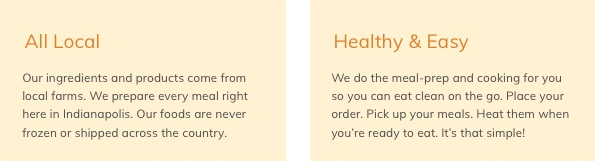
Blurbs
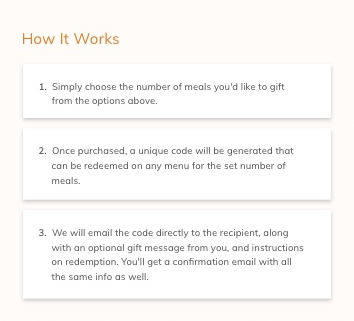
Steps
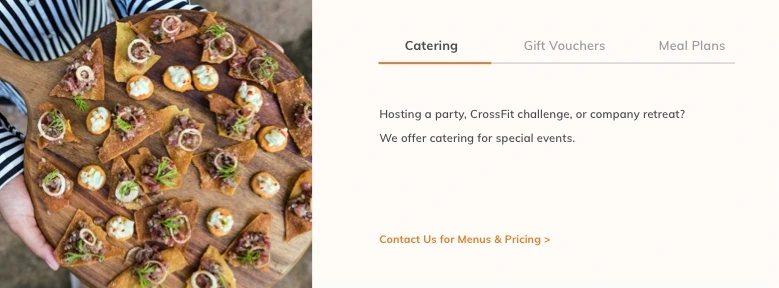
Tabs
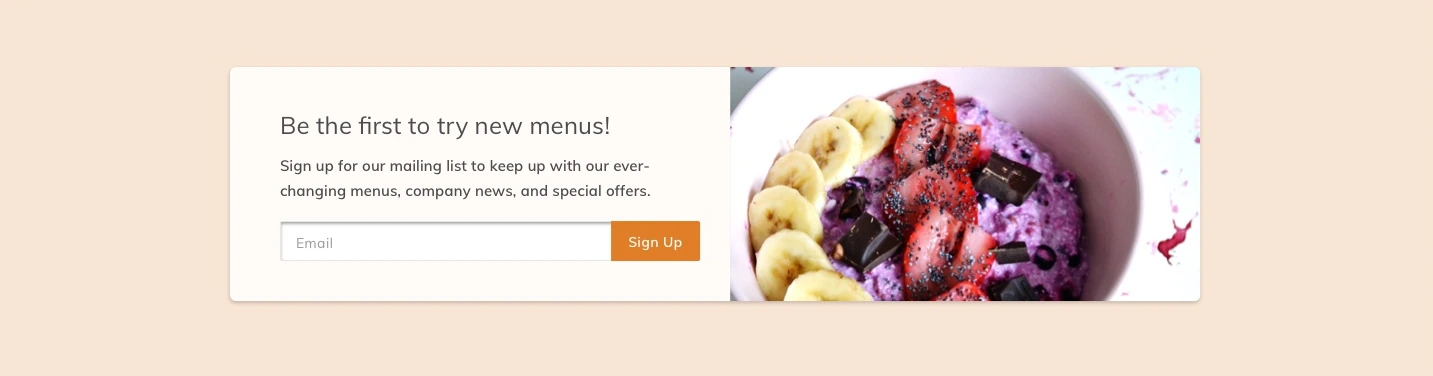
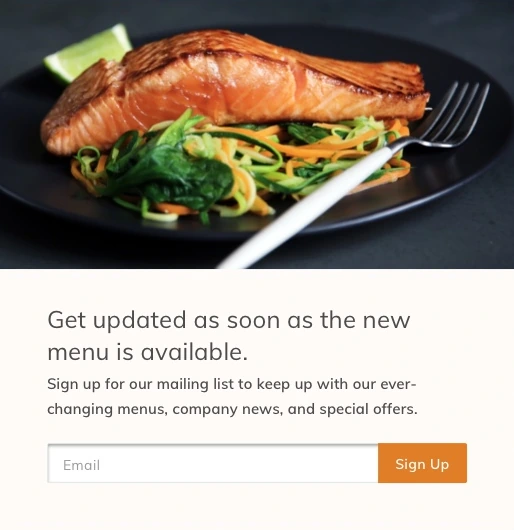
Newsletter Sign-up Form
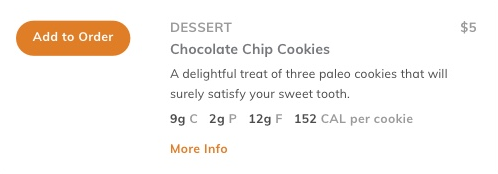
Meal Layout without Picture
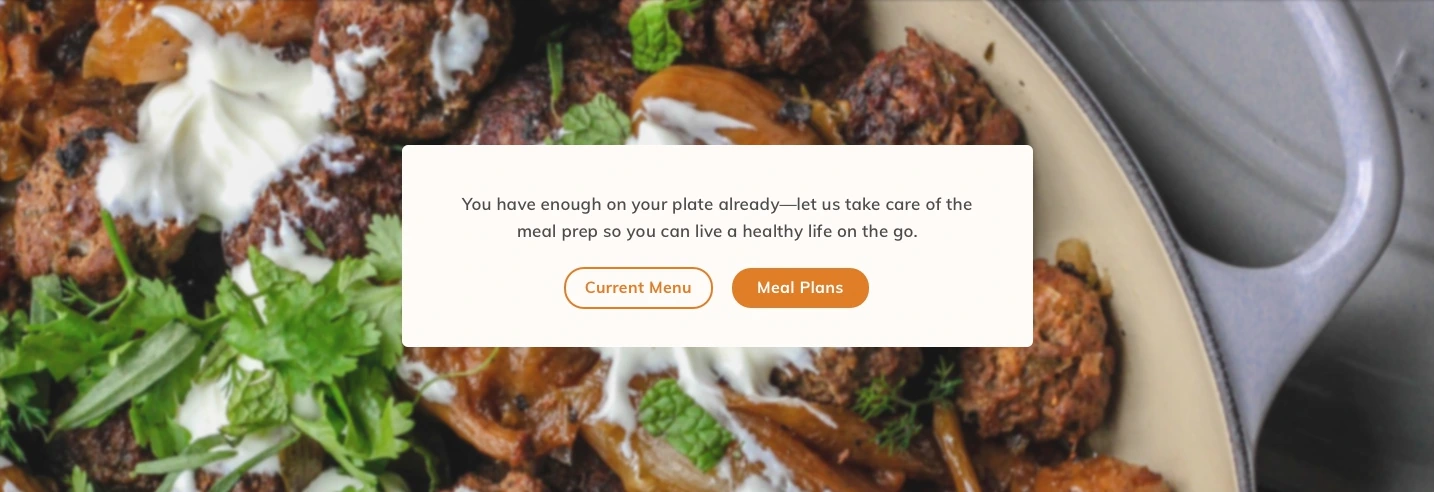
Checkout Call to Action

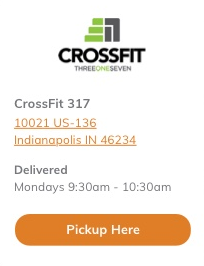
Location